Six ingredients, each here for a stated reason. Where that reason is tradition or early research rather than proof, we say so — and we name the ginseng species, because “ginseng” alone can mean several different plants.
Quick answer
Six named ingredients: chromium picolinate, gymnema, African mango, green tea, maca and Panax ginseng. The label names all six and prints no per-ingredient split. Several can add to diabetes medication — talk to your doctor first.
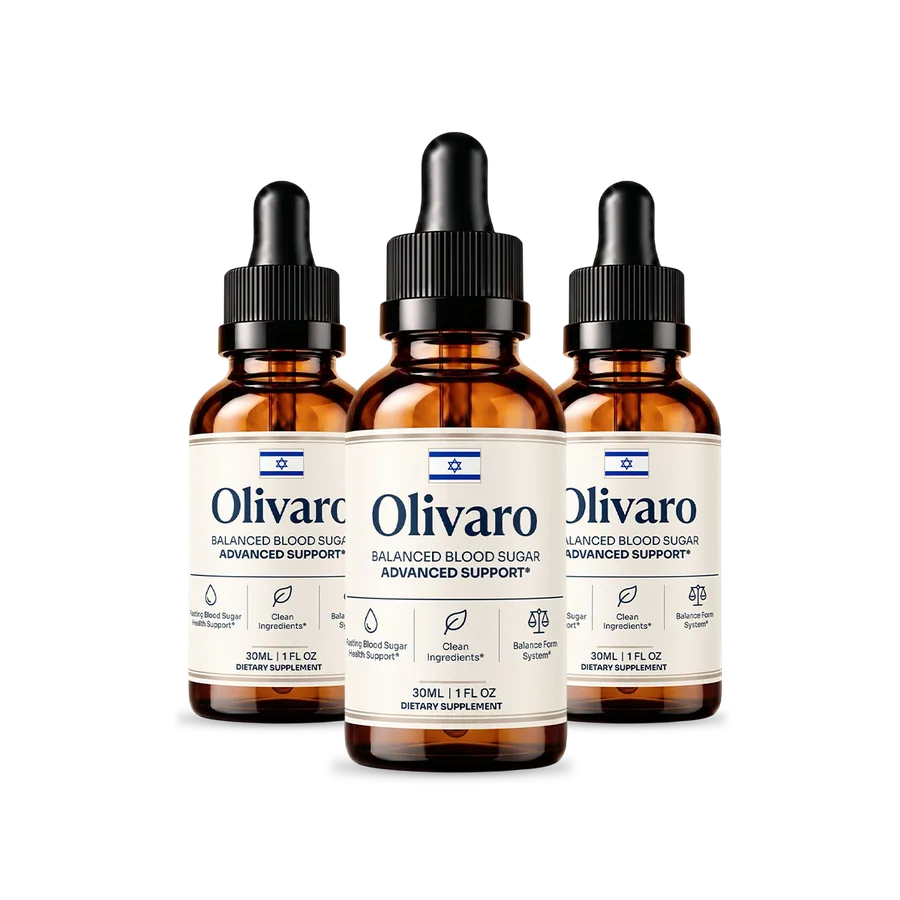
olivaro is a dietary supplement for adults aged 18 and over. It is formulated to support healthy blood sugar already within the normal range — it is not a treatment, cure or prevention for diabetes or prediabetes, and never a replacement for prescribed medication. Do not stop or change any medication because you have started a supplement. Chromium, gymnema and ginseng can add to the effect of glucose-lowering drugs and push blood sugar too low — talk to your doctor first if you take any, and monitor your readings. Contains green tea (a little natural caffeine). Not intended during pregnancy or nursing.
The six at a glance
| Ingredient | Role | Evidence, honestly |
|---|---|---|
| 🧪 Chromium Picolinate trivalent chromium, picolinate form | The insulin-sensitivity mineral | Modest glucose support in some trials; can add to diabetes medication |
| 🌿 Gymnema Leaf Extract Gymnema sylvestre | The “sugar destroyer” of Ayurveda | Promising early human research; traditional craving and absorption support |
| 🥭 African Mango Seed Extract Irvingia gabonensis | The metabolism-and-appetite seed | Limited and mixed research; included for appetite and metabolic support |
| 🍵 Green Tea Leaf Extract Camellia sinensis | Catechins, metabolism — and a little caffeine | Reasonable metabolic research; contains naturally occurring caffeine |
| 🌱 Maca Root Extract Lepidium meyenii | The adaptogen for stress and steady energy | Traditional adaptogen; energy evidence stronger than glucose-specific evidence |
| 🧉 Panax Ginseng Panax ginseng, aerial extract | The classic root for glucose uptake and fatigue | Some promising glucose-uptake research; results not uniform; may interact with medicines |
Each ingredient, in plain terms
🧪 Chromium Picolinate · trivalent chromium, picolinate form
The insulin-sensitivity mineral · Evidence: Modest glucose support in some trials; can add to diabetes medication
Chromium is the one ingredient here with a defined nutritional role in how the body handles carbohydrate — it helps insulin do its job of moving glucose out of the blood and into cells.
Chromium is an essential trace mineral, and the picolinate form is the one most studied for glucose support. The honest summary of the research: in people who are low in chromium or have elevated blood sugar, supplementation has shown modest improvements in fasting glucose and insulin response in some trials; in people who are already replete, the effect is small to none. That is exactly why we describe it as support for healthy blood sugar within the normal range, not as a treatment. It is also the ingredient most likely to add to a glucose-lowering medication, which is why our hypoglycaemia caution sits above the pricing.
🌿 Gymnema Leaf Extract · Gymnema sylvestre
The “sugar destroyer” of Ayurveda · Evidence: Promising early human research; traditional craving and absorption support
Gymnema is known in Ayurvedic tradition as gurmar — “sugar destroyer” — because chewing the leaf temporarily blunts the tongue's ability to taste sweetness.
Beyond the party trick, gymnema has a genuine, if early, research base for supporting normal sugar absorption in the gut and reducing cravings for sweet foods. Small human studies are encouraging and larger, longer ones are still needed — so we describe it as traditional support with promising early evidence, not as proven medicine. Like chromium, it may add to the effect of glucose-lowering drugs, so the same caution applies.
🥭 African Mango Seed Extract · Irvingia gabonensis
The metabolism-and-appetite seed · Evidence: Limited and mixed research; included for appetite and metabolic support
African mango is an extract of the seed of Irvingia gabonensis, included for its traditional role in appetite, fat metabolism and steadier day-to-day energy.
The marketing around African mango has, frankly, run well ahead of the evidence — early weight and metabolic studies were small and some were later questioned. We are not going to borrow those headlines. We include it as a complementary botanical for appetite and metabolic support, and we would rather you knew the evidence is limited than pretend it is settled. It is on our label, so it is on this page.
🍵 Green Tea Leaf Extract · Camellia sinensis
Catechins, metabolism — and a little caffeine · Evidence: Reasonable metabolic research; contains naturally occurring caffeine
Green tea is rich in catechins, particularly EGCG, which is why it appears in so many metabolic formulas. It also contains a small amount of naturally occurring caffeine, and we would rather say so than claim the formula is stimulant-free.
Green tea catechins have a reasonable body of research for supporting metabolism and, in some studies, insulin sensitivity. The amount of caffeine in an extract like this is modest — far less than a cup of coffee — but it is not zero, which matters if you are caffeine-sensitive or take your drops late in the day. Honest is better than convenient: there is a little caffeine in here, from the green tea, and now you know.
🌱 Maca Root Extract · Lepidium meyenii
The adaptogen for stress and steady energy · Evidence: Traditional adaptogen; energy evidence stronger than glucose-specific evidence
Maca is a Peruvian root used traditionally as an adaptogen — a plant associated with resilience to stress and steadier energy, both of which sit close to blood-sugar balance.
The link is real in principle: chronic stress raises cortisol, and cortisol pushes blood sugar up, so anything that genuinely helps the stress response can help the picture indirectly. Maca's human evidence is strongest for energy and wellbeing and thinner for glucose specifically, so we place it as supportive rather than central. It is caffeine-free and well tolerated, and it earns its place for steadiness rather than for any direct glucose claim.
🧉 Panax Ginseng · Panax ginseng, aerial extract
The classic root for glucose uptake and fatigue · Evidence: Some promising glucose-uptake research; results not uniform; may interact with medicines
Ours is Panax ginseng — sometimes called Asian or Korean ginseng — named specifically, because “ginseng” on a label can mean several different and non-interchangeable plants.
Panax ginseng has some of the more interesting glucose research among botanicals: a number of studies suggest it may support glucose uptake by muscle cells and help with the fatigue that often accompanies blood-sugar swings. The results are promising but not uniform, and doses vary widely between studies. So, as everywhere on this site: promising, named precisely, and described as support rather than proof. Ginseng can also interact with some medications, which is one more reason to check with your doctor first.
About the label and the amounts
Our label names all six ingredients and does not print a per-ingredient milligram split. We name them exactly as the label states them. We will not publish a breakdown we cannot show you, and we will not borrow research run at far higher single-ingredient doses to imply this formula delivers them. The Supplement Facts panel on the bottle you receive is always the authoritative source — please read it before use. For neutral fact sheets on individual ingredients, the NIH Office of Dietary Supplements is a good place to start.
The caution that sits above our pricing
Chromium, gymnema and ginseng can add to the effect of glucose-lowering medication and push blood sugar too low. If you take any diabetes medicine, speak to your doctor before your first dose and monitor your readings. Green tea carries a little natural caffeine. None of this is fine print to us — it is the most important thing on the page for anyone on medication.
See how these ingredients fit the glucose cycle, or read the benefits and what we do not claim.
Questions people ask about this
What are the ingredients in Olivaro?
Chromium picolinate, gymnema leaf extract, African mango seed extract, green tea leaf extract, maca root extract and Panax ginseng — six ingredients, all named on the label.
How much of each ingredient is in it?
The label names all six ingredients and does not print a per-ingredient milligram split, so we do not invent one. The Supplement Facts panel on your bottle is the authoritative source.
Does Olivaro contain caffeine?
A small amount, from the green tea extract — far less than a cup of coffee, but not zero. We name it rather than claim the formula is stimulant-free.
Olivaro Official Website
per bottle on the 6-bottle pack · free US shipping on 3 and 6
Check Current Price 60-day guarantee · official checkout only